



Two hundred years after the birth of Moritz Grossmann — the Glashütte master whose name was revived in 2008 by watchmaker Christine Hutter — the manufacture that carries it has marked the occasion in the least sentimental way possible: two steel watches, dark, austere and limited to 18 pieces apiece.
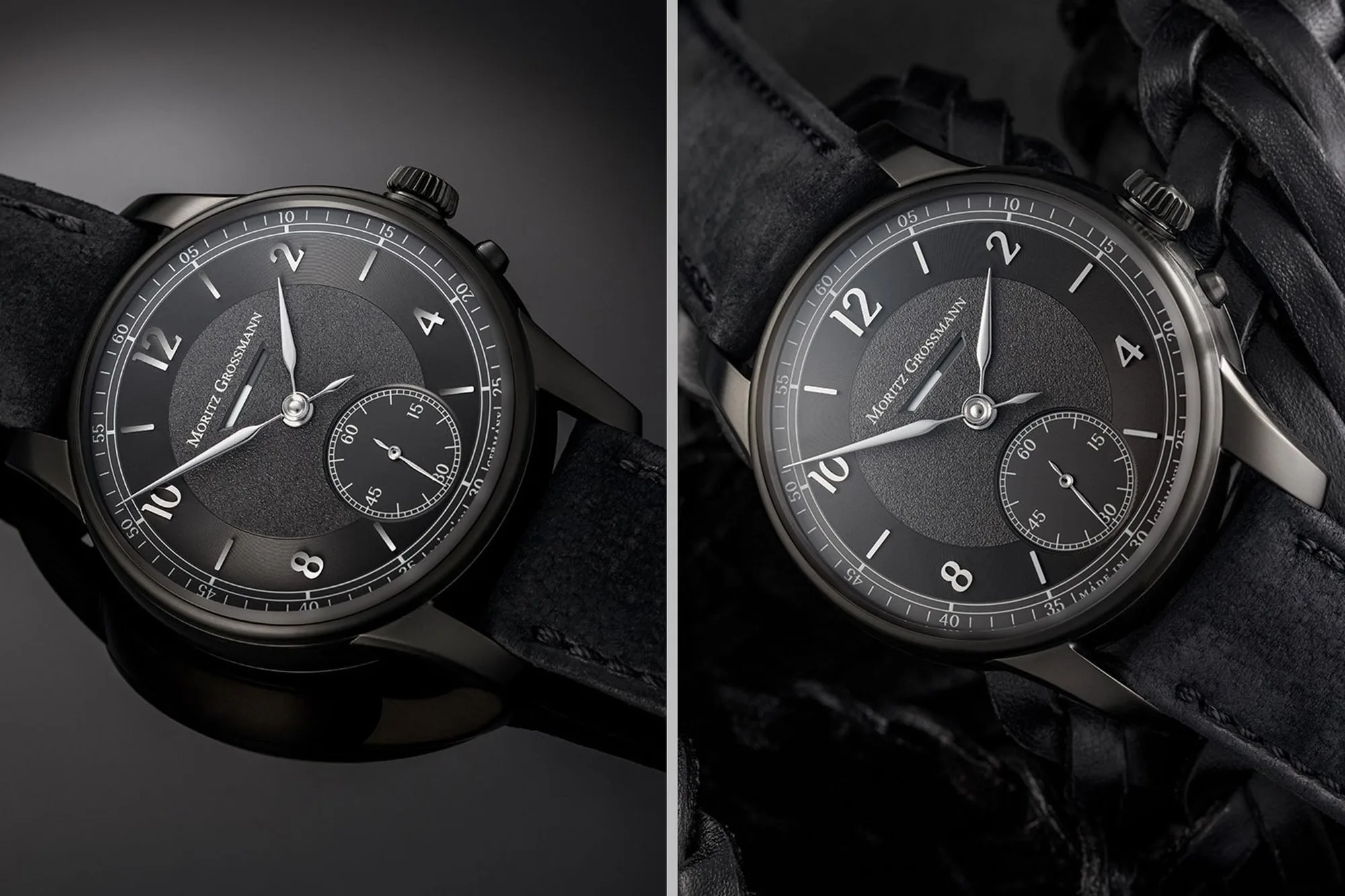
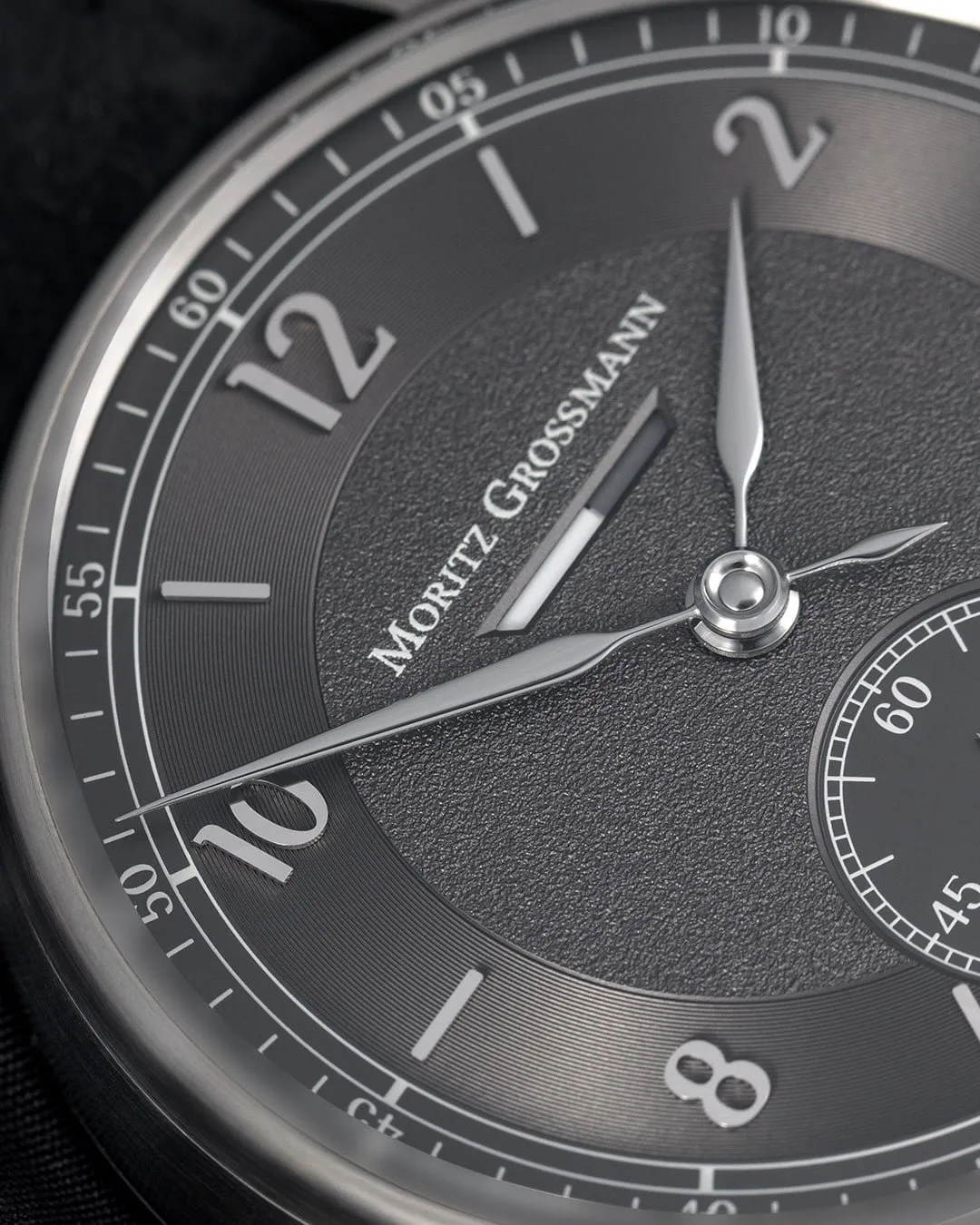
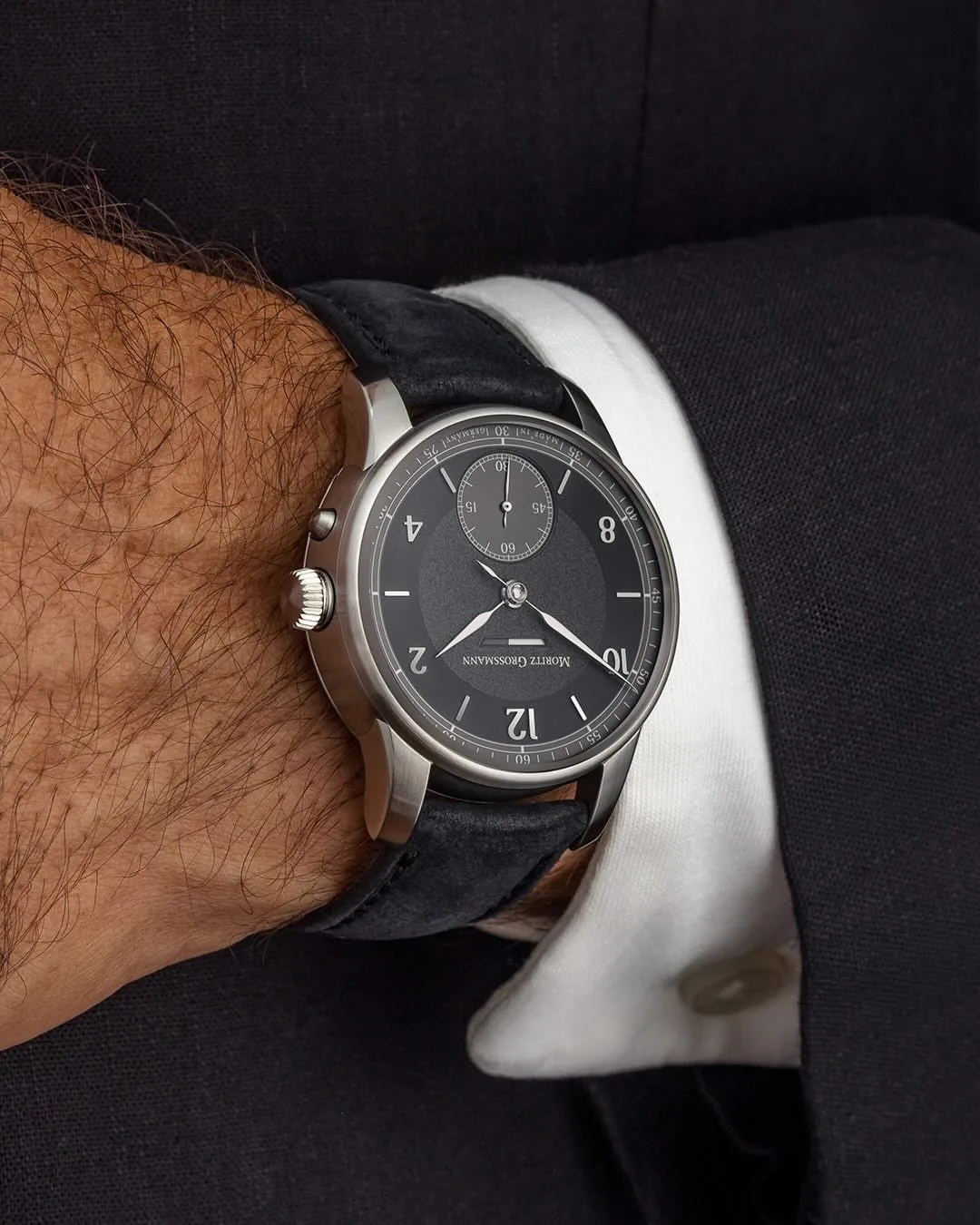
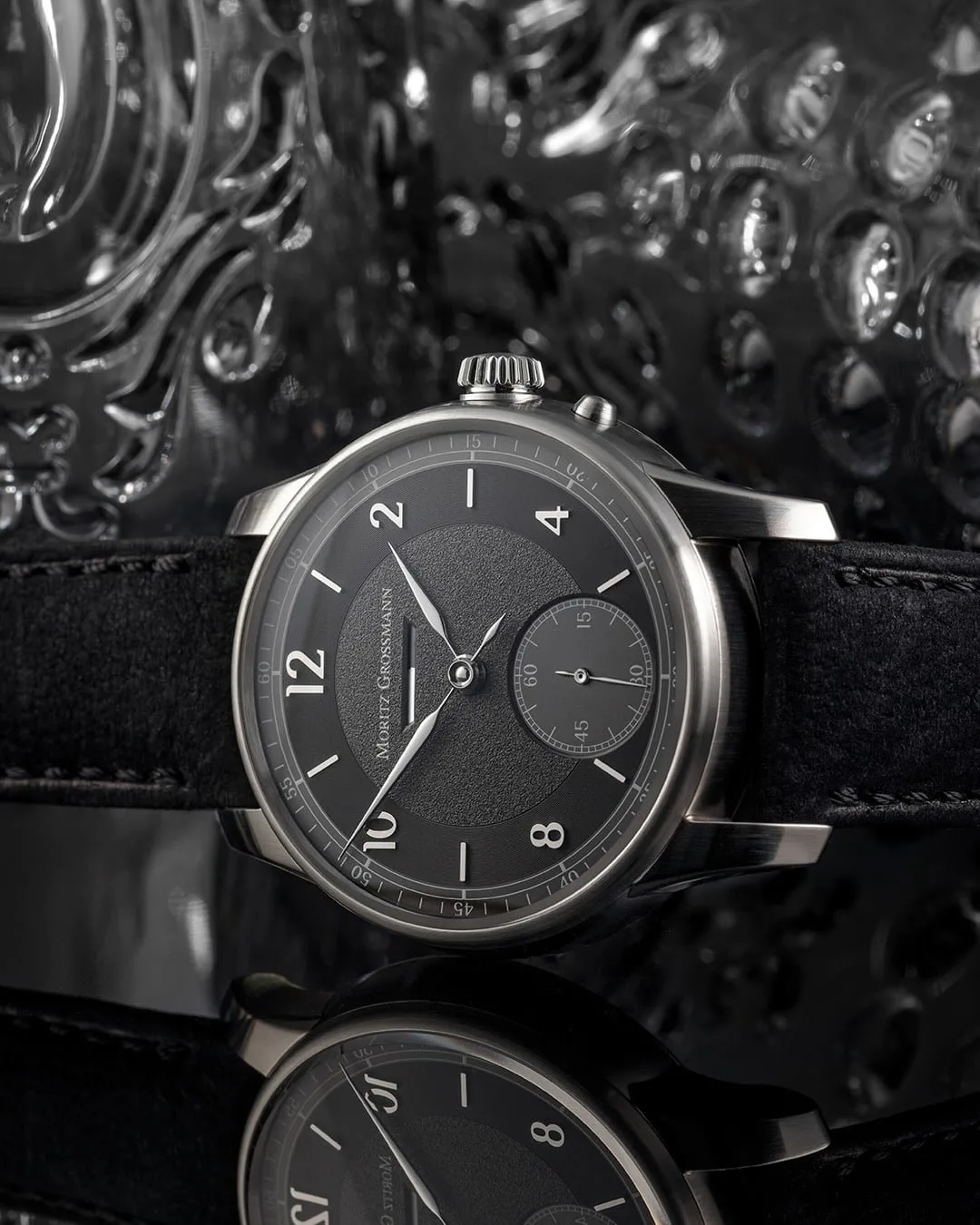
The Benu Power Reserve, the collection’s standard-bearer, arrives in brushed stainless steel and, more strikingly, in dark grey DLC-coated steel — 41mm across and a shade under 12mm tall, with an anthracite sector dial that reads like an instrument panel. A linear aperture tracks the power reserve in dark grey and white; the hands are tempered steel, shaped and finished by hand in the house’s signature manner.
Inside is calibre 100.2, wound by hand and beating at an unhurried 18,000 vibrations per hour — the cadence of another century, which is rather the point. Behind the sapphire back sit a two-thirds plate in the Glashütte tradition, a hand-engraved balance cock, and finishing that explains both the leisurely 42-hour reserve and the EUR 40,800 asked for either version. A black kudu strap completes a watch that makes no concession to fashion beyond the colour of its armour.
Grossmann the man was a founder in the literal sense — he established the German Watchmaking School in Glashütte in 1878, and the town’s horological fortunes flow in no small part from his classroom. A bicentennial could have invited gold and grandiloquence. That his heirs chose blackened steel and a sector dial instead says something true about Saxon watchmaking: the celebration is in the finishing, not the fanfare. Thirty-six collectors worldwide will get to check the work.

