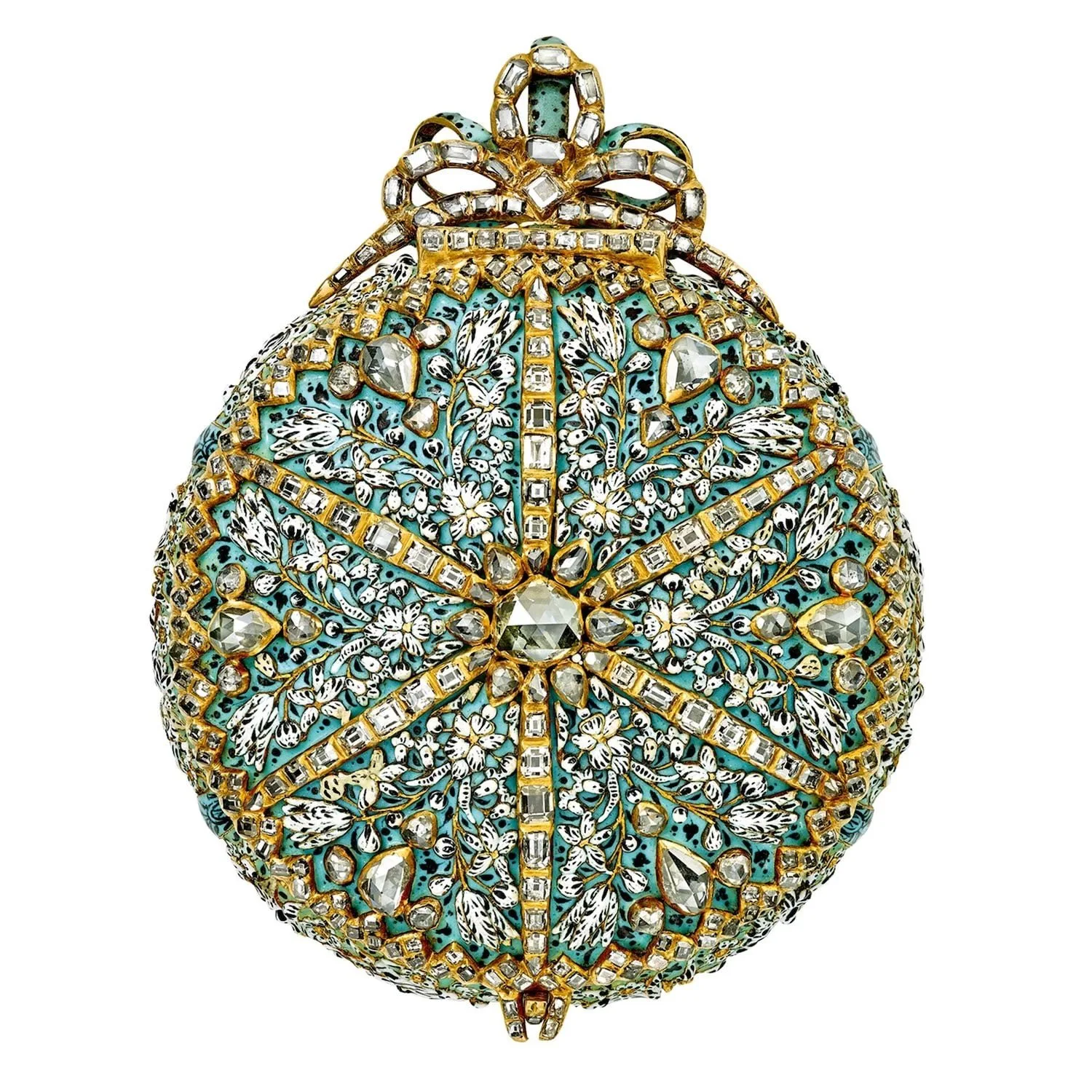
In November 2001, Philippe Stern opened a building in Geneva’s Plainpalais district to house what he had spent a lifetime assembling: not merely the archive of Patek Philippe, but a history of the measurement of time itself. Twenty-five years and more than a million visitors later, the Patek Philippe Museum has become exactly what its founder intended — the place where the maison keeps its memory.
The collection now runs to some 2,500 watches, automata, enamel miniatures and precious objects spanning five centuries, from the earliest portable timekeepers to the manufacture’s own production since 1839. Thierry Stern, marking the anniversary in Geneva this week, described the museum as one of the maison’s three pillars, alongside the Rue du Rhône salons and the Manufacture itself — the point in the triangle that explains the other two.
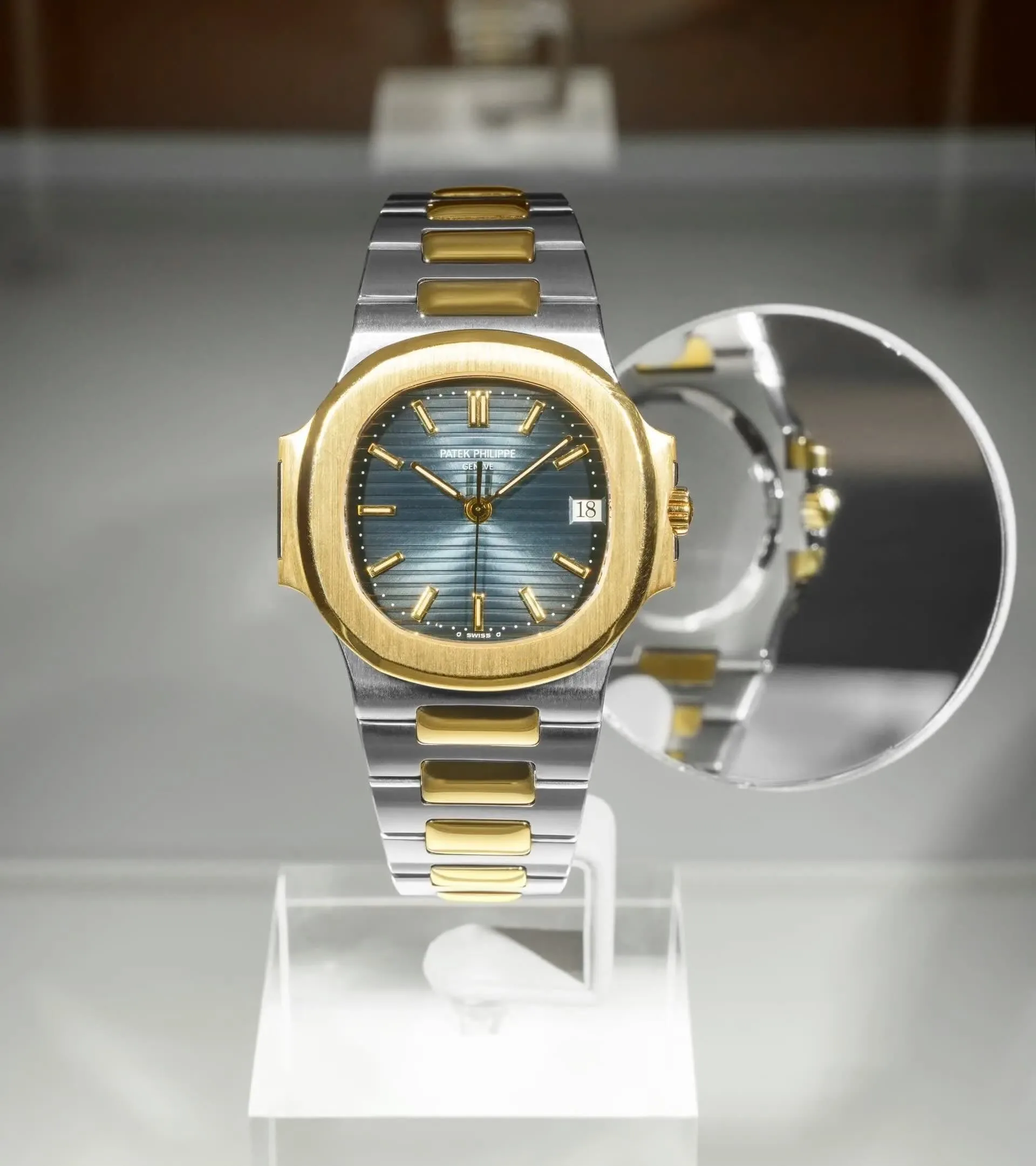
The anniversary is being celebrated the way a museum should: with objects. An exhibition that opened to the public on 13 November gathers eleven timepieces that personally inspired Philippe Stern’s collecting, alongside a retrospective marking fifty years of the Nautilus, introduced in 1976. Two recent acquisitions join the permanent display — a pair of pocket watches once owned by the American industrialist John Motley Morehead III, each housing two independent movements commanded by a single crown — together with a Baroque pendant watch by Johann Cremsdorff, circa 1650, its case an allegory of Temperance, Charity and Hope rendered in enamel and gems.
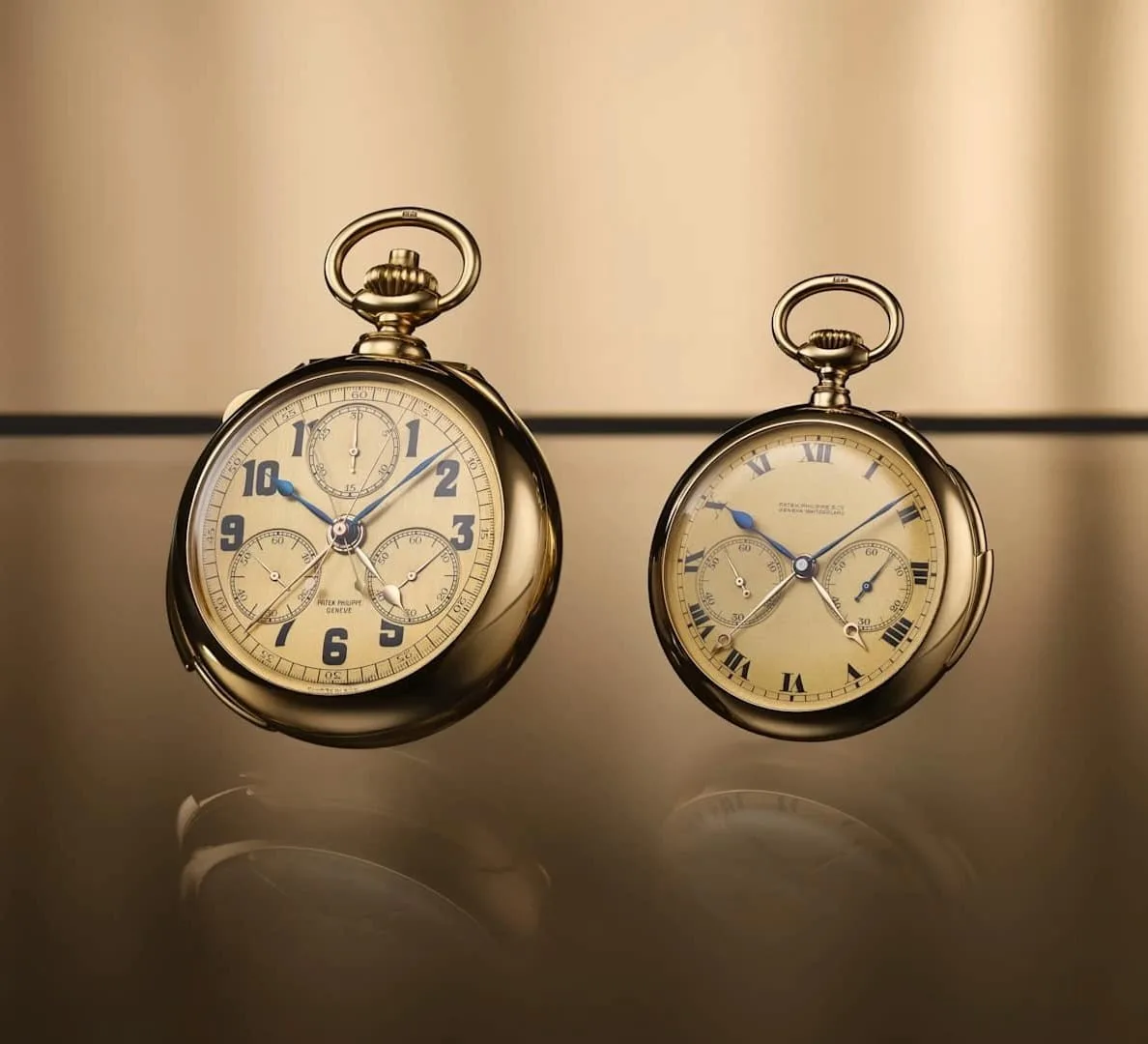
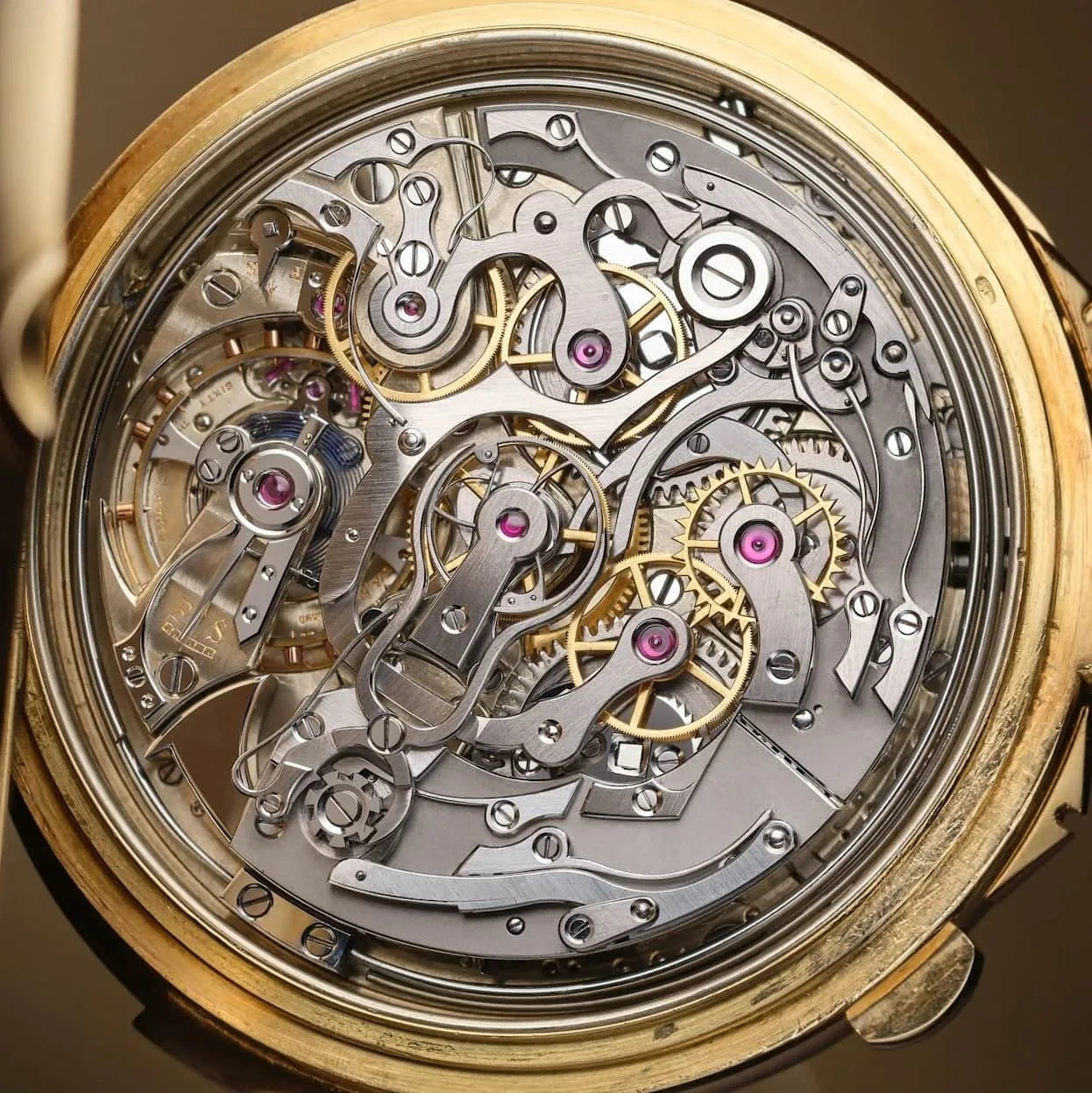
For Gulf collectors who made the pilgrimage to the Watch Art Grand Exhibition in Milano last month, the museum is the permanent version of that promise: proof that Patek Philippe’s famous line about never actually owning one is less a slogan than a curatorial policy. Twenty-five years in, the generation it was looking after has changed; the looking after has not.