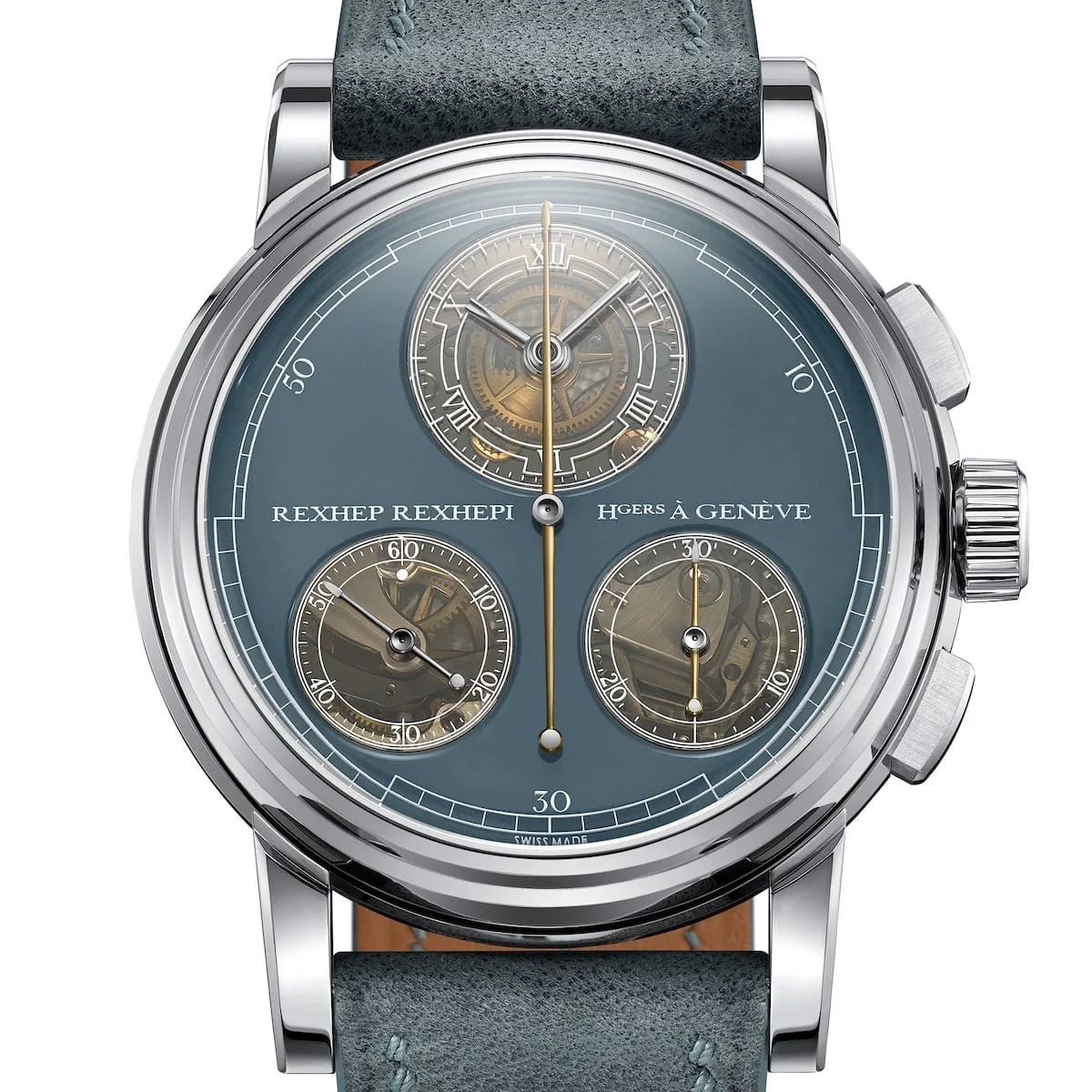
Watchmaking handed out its Oscars in Geneva, and the top prize went — for the second time in four years — to an independent. The Aiguille d’Or of the Grand Prix d’Horlogerie de Genève 2026 was awarded to Rexhep Rexhepi for the RRCHF Chronograph Flyback, a compact chronograph that rethinks the genre from the ground up: time offset on its own axis, sub-dials floating on sapphire, and, in its platinum edition, a dial of blue-green grand feu enamel. Beneath it sits a symmetrical hand-wound movement with a column wheel, horizontal clutch and a generous screwed balance — classical grammar, spoken with an entirely new accent. Not since MB&F’s win in 2022 has the jury placed an independent atelier above the great maisons.
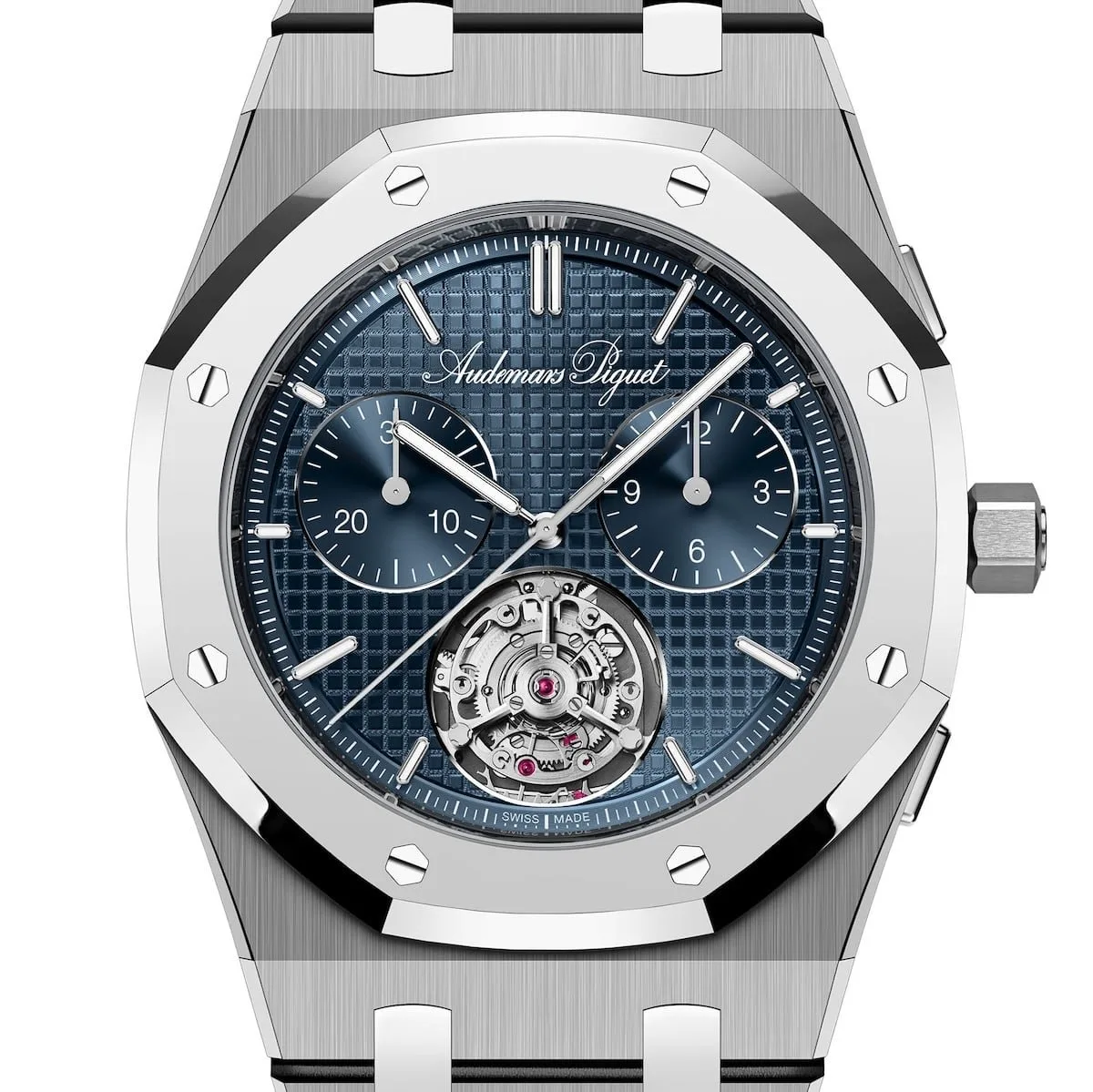
The maisons still filled the room. Patek Philippe took the Special Jury Prize for its Watch Art Grand Exhibition in Milan — the same show we toured in these pages in October. Audemars Piguet left with two prizes, the Iconic Watch award for the Royal Oak Jumbo Extra-Thin Selfwinding Flying Tourbillon Chronograph RD#5 and the Calendar & Astronomy prize for the 150 Heritage. Chopard also doubled, with the L.U.C 1860 named best time-only watch and the Mystery Nut taking the jewellery prize, while Ferdinand Berthoud claimed both the Chronometry and Tourbillon awards. Blancpain’s Grande Double Sonnerie — a watch we covered at its launch — won the Mechanical Exception prize.

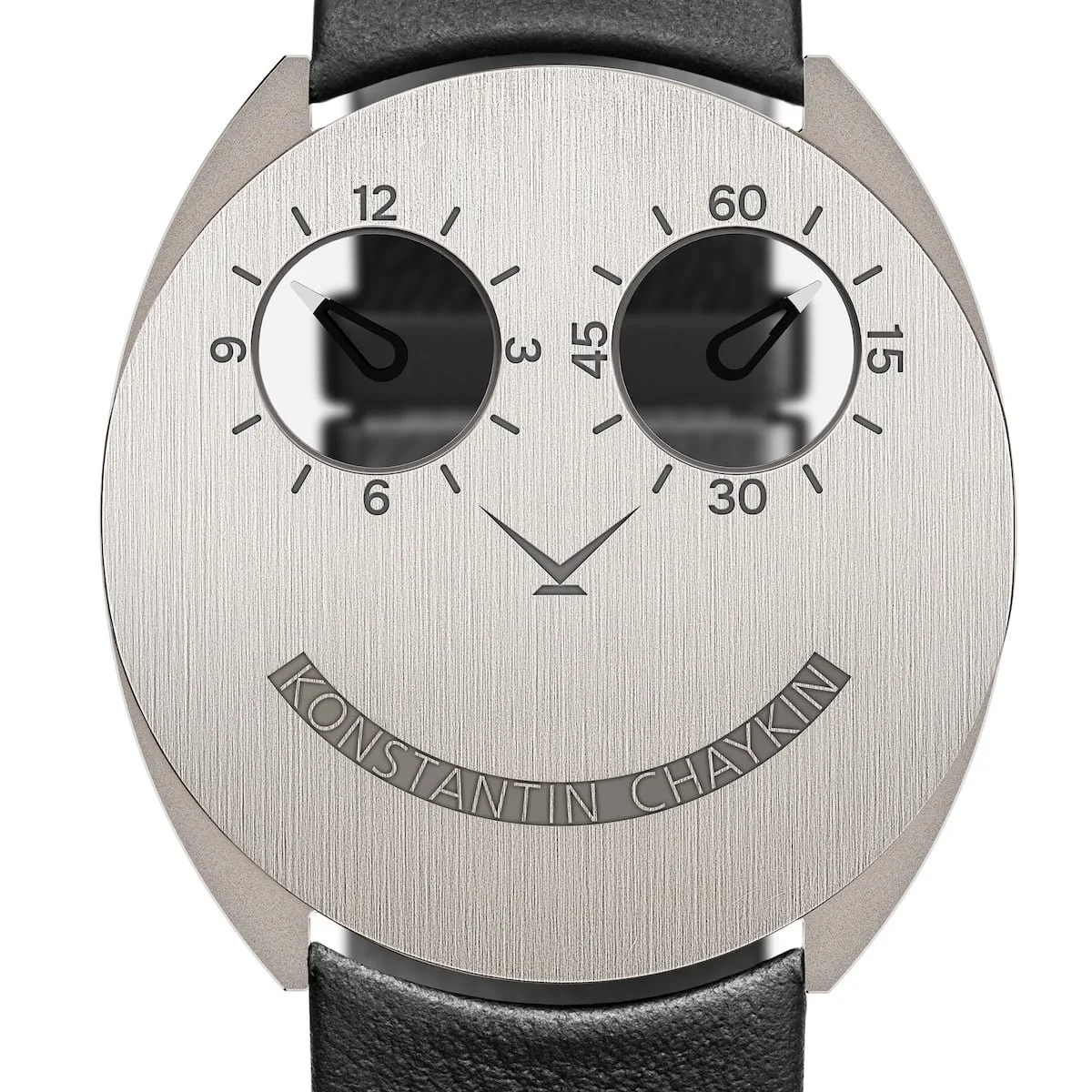
Elsewhere the list read like a map of the industry’s happy extremes: Louis Vuitton’s Tambour Taiko Arty Automata for artistic crafts, Piaget’s Swinging Pebble for gem-setting, Grand Seiko’s Spring Drive U.F.A. Ushio diver for sports, Parmigiani Fleurier’s Tonda PF Chronographe Mystérieux for chronographs, and Konstantin Chaykin’s ThinKing Mystery for audacity. Prizes are not the market — but three days later, Geneva’s auction rooms would suggest the two are humming the same tune.